
Chandigarh’s weather doesn’t do doors and windows any favors. Summers push well past 40°C, monsoon humidity swings hard the other direction, and traditional wood or plain aluminium frames end up warping, swelling, or just looking worn out within a few years of that cycle repeating year after year.
uPVC doors and windows became the default upgrade for a reason — they’re built specifically to shrug off exactly this kind of punishment. Here’s what actually matters when picking uPVC doors and windows installation for a home or commercial space in Chandigarh.
Why uPVC Holds Up Better Than the Alternatives?
The term uPVC stands for unplasticized polyvinyl chloride is a rigid, weather-resistant material that doesn’t rot, rust, or corrode the way wood and untreated metal eventually do.
No repainting or varnishing needed to keep it looking presentable either, which matters a lot somewhere dust and heat chew through finishes as fast as they do here,
The Multi-chamber build inside a typical uPVC profile also gives it real thermal insulation, keeping interiors cooler through Chandigarh’s brutal summer and warmer through the shorter stretch, which adds up to a genuine, measurable dent in cooling costs across a full year.
uPVC-Aluminium Composite: A Step Beyond Standard uPVC
Standard uPVC does a lot right on its own, but composite uPVC-aluminium systems go a step further for anyone chasing extra structural strength alongside the insulation.

Pair an aluminium shell around a uPVC-insulated core, and you get a frame that handles weather and structural stress better than uPVC by itself, without losing the thermal performance that made uPVC the better pick over plain aluminium to begin with.
Hm Innovation builds its uPVC doors and windows range around exactly this pairing — homes and commercial spaces in Chandigarh that want durability and insulation, not one at the expense of the other.
What Good Installation Actually Involves
- Poor installation, gaps around the frame sealing, uneven fitting. These problems can ruin even a genuinely good uPVC system. No matter how well it’s designed, if it’s not installed right, it starts letting in drafts, moisture, and noise.
- Real installation starts with measurement before manufacturing. You don’t just force a size into whatever opening you happen to have. The fit has to be exact. If you skip that step, no amount of quality materials will save you.
- Proper sealing around the frame, using weatherproof material matched to the actual wall type.
- Checking that hardware, hinges, locks, and handles actually work smoothly before anyone calls the job finished.
Choosing Between uPVC Doors and Windows Configurations
Sliding uPVC Windows
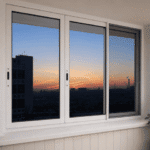
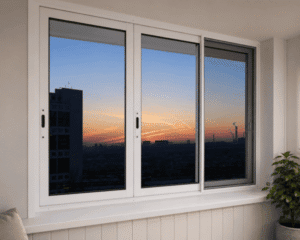
This works well in spaces where floor or wall clearance’s limited. It slides along a track, swinging outward, making it ideal for balconies and rooms that don’t have space to open outward.
Casement Windows
They open outward on one side, hinged like a window. They give control over ventilation. That’s why they are often picked for bedrooms and living areas. In these spaces, airflow is more important than saving space.
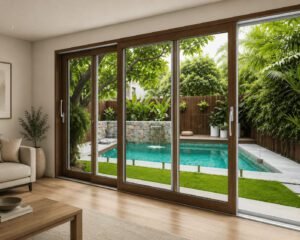
Sliding uPVC Doors
They are best for balcony and patio access. They give you an opening and don’t take up floor space like swinging doors do. Casement doors are better for entrances and areas where security and a tight seal are more important than how wide the opening can be.
What to Check Before Choosing a Provider
Ask specifically about profile quality and chamber count — more chambers generally means better thermal and sound insulation, and this detail varies between suppliers more than people expect going in.
Confirm hardware brand and warranty terms directly rather than assuming all uPVC hardware performs the same, since this is exactly where cheaper installations tend to cut corners without it being obvious at the time of purchase.
Ask about installation warranty separately from product warranty too. These can cover completely different things, and a provider who’s vague about which is worth a second look before you commit to anything.
Final Thoughts
uPVC doors and windows Installation in Chandigarh’s is the best traditional options — real durability, real thermal insulation, low maintenance that holds up through summer after brutal summer and every humid monsoon in between.
Whether standard uPVC or a composite makes more sense depends on the use and how much structural load the space puts on the frame. In the end, installation quality matters as much as the product itself.