A roof’s one of the few building decisions you’re not really supposed to revisit every decade, and yet most roofing materials ask you to do exactly that anyway.
Asphalt shingles wear out in twenty-odd years, painted steel starts chalking and fading within fifteen, and by the time a homeowners finally paid off their mortgage, they’re often staring down a second or third roof replacement already.
Zinc roofing sits apart from that whole cycle almost entirely, and the reason comes down to how the material actually behaves over decades, not just what it looks like fresh out of the box. Here’s how zinc roofing durability actually stacks up against the materials most people weigh it against.
Zinc’s Real Lifespan, and Why It’s Not Just a Sales Line
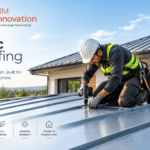
Under proper installation, zinc roofing can run well past 75 years, with some documented roofs in Europe still holding up after more than a century of exposure. This isn’t a coating hanging on before eventually wearing thin.
It’s a property of the metal itself. Zinc builds a natural patina over time a protective oxide layer that forms right on the surface and actually shields whatever’s underneath from further corrosion.
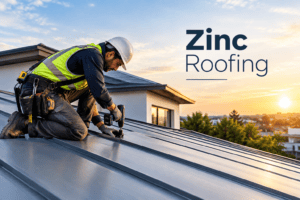
Minor scratches and surface dings tend to self-heal as that patina keeps developing, which is a genuinely rare trait next to almost every other common roofing material out there.
NedZink, working with high-purity titanium zinc built to EN standards, structures its roofing systems around exactly this durability profile. Consistent material quality backs up the long lifespan zinc’s known for, rather than a system that only holds up under perfect conditions.
Zinc vs. Asphalt Shingles
Not really a close call on durability, honestly. Asphalt shingles typically last twenty to thirty years before needing a full replacement, and they degrade steadily the whole way there — cracking, granule loss, curling edges as UV exposure and weather cycling wear them down.
Zinc roofing, meanwhile, is often still going strong well past the point where a second or even third asphalt roof would already need tearing off. The upfront cost gap is real, sure, but stretched across the actual lifespan difference, zinc’s cost-per-year of service often ends up more reasonable than the sticker price makes it look.
Zinc vs. Standard Steel Roofing
Steel roofing is a step up from asphalt, usually lasting forty to sixty years depending on the quality of the coating and local conditions. Where it falls short of zinc is in how it fails. Painted or coated steel is only as durable as its coating.
Once that coating degrades, the metal underneath is exposed to rust in a way that zinc’s self‑protecting patina does not. Zinc also handles cycling- the daily expansion and contraction from temperature swings with better long‑term dimensional stability, cutting down on the fatigue‑related failures that eventually catch up to coated steel systems.
Zinc vs. Copper Roofing
Copper’s the closest real competitor to zinc on raw longevity, and the two age in a similar way: both grow a protective patina instead of leaning on an applied coating; where they split is cost and looks.
Copper typically costs noticeably more than zinc as a material, and its patina develops into that dramatic, widely recognized green tone, versus zinc’s quieter, more understated grey progression.
For projects after long-term durability without copper’s premium price tag or more attention-grabbing look, zinc tends to be the more balanced pick.
Zinc vs. Aluminium Roofing
Aluminium brings strong corrosion resistance and less weight than zinc, which makes it a reasonable option in certain structural situations. Durability-wise, though, aluminium roofing generally doesn’t touch zinc’s documented multi-generational lifespan.
It tends to lean more heavily on applied finishes and coatings for its weathering performance rather than an inherent self-protecting surface. Aluminum does offer a wider range of consistent color finishes, which suits projects prioritizing uniform appearance over the evolving, natural patina zinc roofing’s known for.
Why Installation Quality Matters More for Zinc Than People Expect
Long lifespan leans heavily on proper installation, more so than some other materials really tolerate. A non-breathable underlayment or sloppy detailing can trap moisture against the underside of zinc panels, leading to corrosion issues a well-installed system just wouldn’t run into.
Part of why zinc roofing performs best is in the hands of installers genuinely experienced with the material’s specific needs, such as HM Innovation, rather than treated like a drop-in swap for standard metal roofing.
Final Thoughts
Durability edge over asphalt, steel, aluminium, and most alternatives comes down to a genuinely different aging process — a self-healing, proactive patina instead of a coating that degrades and eventually gives out.
Copper comes closest on raw longevity, but at a real cost and aesthetic premium zinc mostly sidesteps. For anyone weighing roofing material on how long it’ll actually perform rather than just the upfront number, Track record and manufacturers matter.